
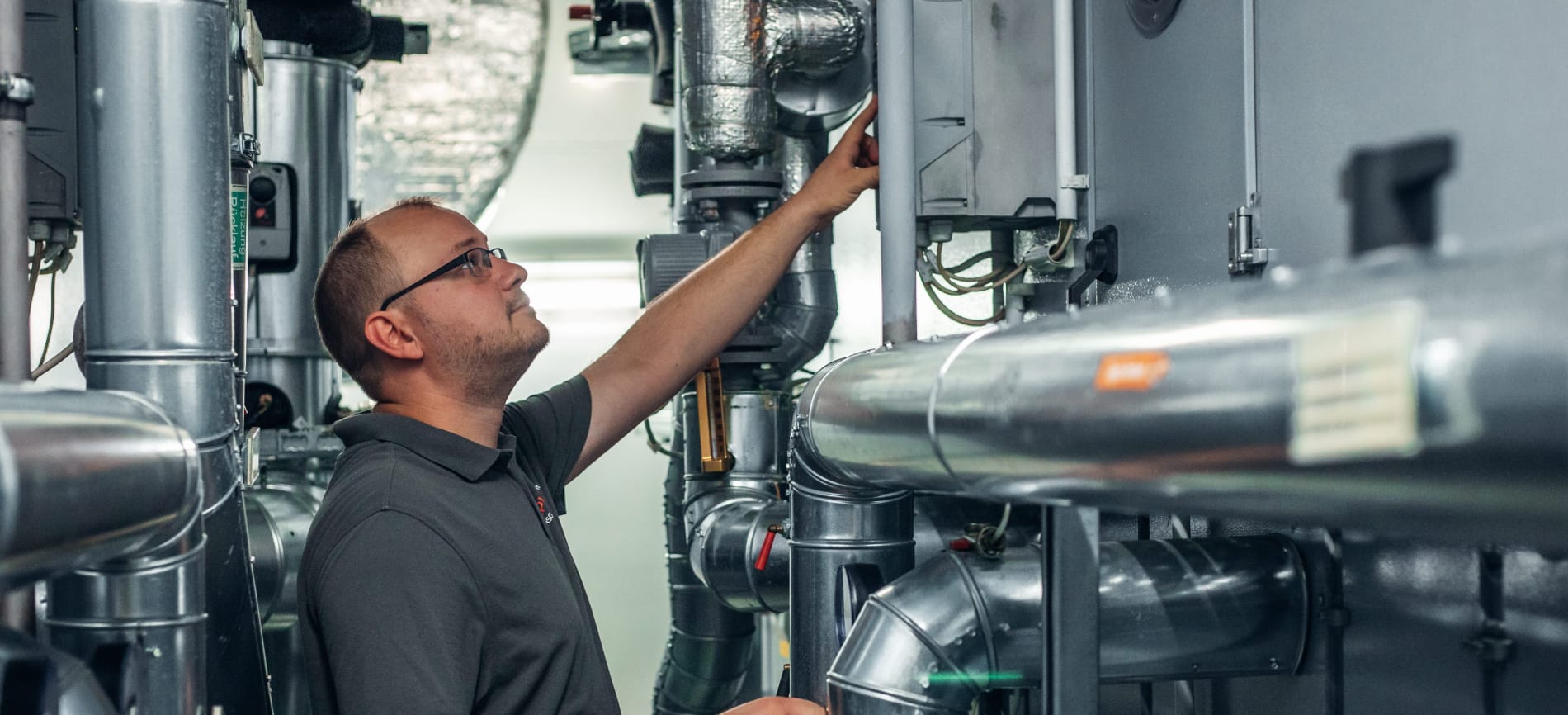
As a Reliability Engineer, you are responsible for ensuring the reliability, safety, and lifecycle performance of critical technical infrastructure. You combine strong engineering expertise with a strategic view on asset lifecycle management, risk reduction, and operational excellence.
You will lead reliability improvement initiatives, perform advanced failure analysis, and optimize preventive and predictive maintenance strategies. In this role, you act as a cross-disciplinary technical authority—connecting mechanical, electrical, HVAC, water systems, fire safety, and security disciplines.
You will work closely with site teams, subject matter experts, vendors, and client operations teams to enhance system reliability, minimize downtime, and extend the life cycle of assets.
Key Responsibilities
Asset Reliability & Lifecycle Management
Develop and implement reliability strategies for mechanical, electrical, HVAC, plumbing, water, and fire/security systems.
Lead Root Cause Analysis (RCA), Failure Mode & Effects Analysis (FMEA), and Reliability-Centered Maintenance (RCM) programs.
Prepare and validate annual Asset Management Reports, including asset condition verification and lifecycle forecasting.
Drive continuous improvement initiatives to reduce downtime and optimize total cost of ownership.
Technical Expertise & Troubleshooting
Act as senior technical escalation point for complex system failures or performance issues.
Provide expert guidance on HVAC, electrical systems, water treatment, drainage, fire detection and suppression systems, and physical security infrastructure.
Ensure compliance with relevant EU safety, fire safety, and energy regulations.
Preventive, Predictive & Digital Maintenance
Optimizes maintenance programs (PPM, predictive analytics, vibration testing, thermal scanning, etc.).
Support digital maintenance transformation including BMS optimization, IoT sensor deployment, and CMMS data quality improvements.
Identify opportunities for automation and energy-efficient system improvements.
Compliance, Energy & Environmental Stewardship
Ensure compliance with EU energy directives, electrical safety codes, water quality regulations, and fire safety standards.
Support sustainability initiatives, energy reduction programs, and environmental audits.
Stakeholder, Vendor & Risk Management
Collaborate with site managers, technical SMEs, and suppliers to ensure consistent technical service delivery.
Evaluate technical vendor performance and service quality.
Provide engineering insights and reliability analysis to client teams.